Article
The Story of a British Slave Trader in Jamaica Colonel John Henderson
Artworks, Prints and Paintings
Posted on 17 April 2026 • by RavenYardAntiques
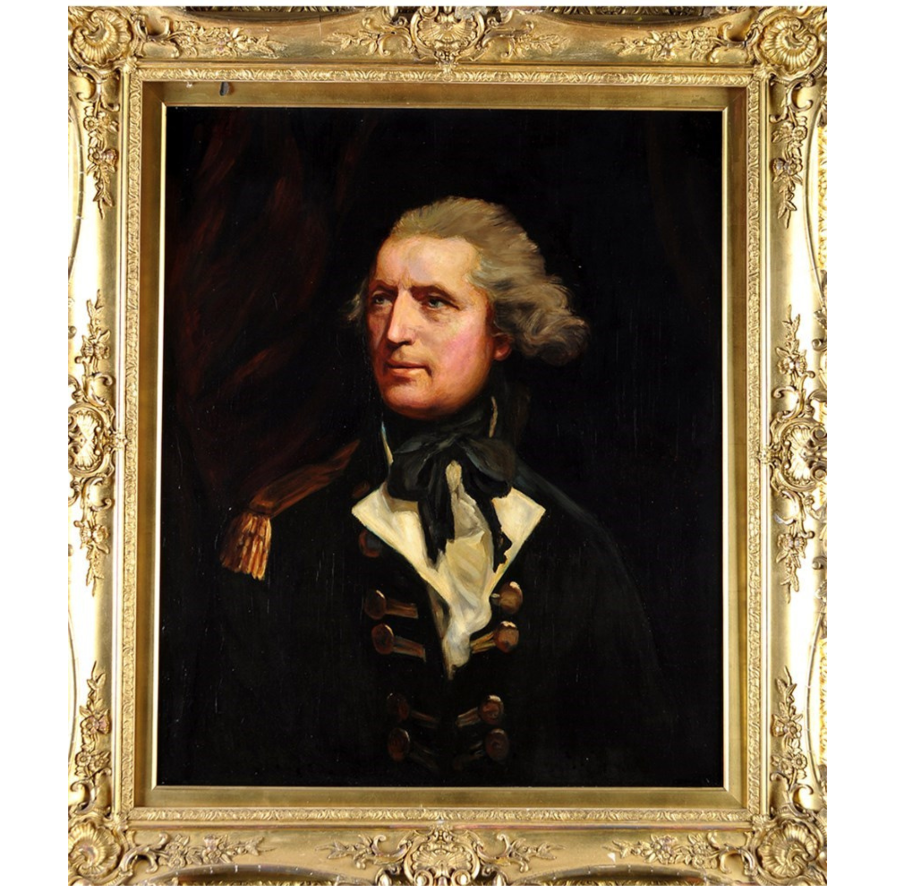
Trading in antiques is a fascinating and constantly educational experience. No two days are ever the same, and no story is truly a duplicate. Yet when researching figures from more than 200 years ago, the trail often fades into fragments. Records disappear, details blur, and what remains can be uncomfortable to uncover. From the surviving evidence, here is the story of a highly controversial gentleman whose fortunes were tied to one of the darkest chapters of the British Empire.
Colonel James Henderson was born around 1740–1741. As a boy, he was reportedly sent across the Atlantic to Jamaica to live with relatives. For many young Scots of the period, the Caribbean promised wealth and advancement. But in Jamaica, riches rarely came without cost. The island’s booming sugar economy was built upon slavery, and Henderson would grow to become one of the many men who profited from it.
As Henderson established himself, Jamaica’s plantations worked day and night. Enslaved African men, women, and children laboured in cane fields beneath the tropical sun, cutting and carrying the crop before it spoiled. Others toiled in boiling houses where intense heat, dangerous machinery, and exhaustion were constant threats. Punishment was severe, disease widespread, and life expectancy tragically short. Yet despite these conditions, enslaved people preserved family ties, culture, faith, and resisted in countless ways—through survival, sabotage, escape, and rebellion.
Henderson’s name became linked with estates and pens across the island, and also with the development of Port Henderson on the south coast, later serving nearby Spanish Town. The wealth generated there eventually carried him back to Scotland.
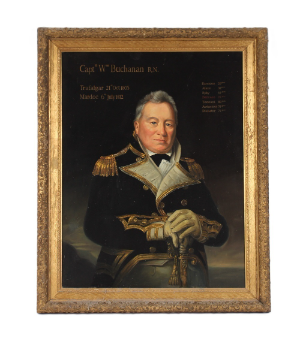
During wartime, later sources state that Henderson was granted authority to raise a regiment and fit out a vessel named Royal George for Caribbean service. By 1790 he had settled at Foswell Bank near Auchterarder, far removed from the plantations that had enriched him. There he entered respectable society. Contemporary records note that he was granted the freedom of Stirling and Dunfermline. To honour him, a portrait by John Opie was presented and later exhibited at the Royal Academy in 1790.
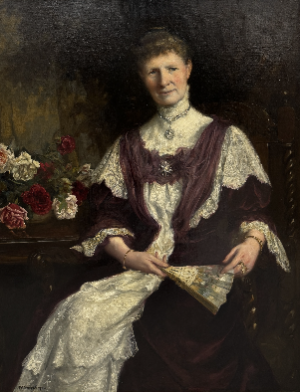
To those who met him in Scotland, Henderson may have appeared every inch the successful gentleman: landowner, honoured guest, family man. He married Eliza Piercy Henderson (40 years his junior), celebrated in later accounts for her beauty, and together they had three known children—John Piercy Henderson, Eliza Piercy Henderson, and Arabella Hamilton Henderson.
But behind the polished portrait and country estate stood another reality. According to University College London, Henderson’s estate included several Jamaican plantations and pens. One of them, Goshen Pen, was recorded as holding 144 enslaved people. These were not numbers on a ledger, but human lives—people whose labour created the comfort and status enjoyed thousands of miles away.
When Henderson died in 1811 and was buried in Auchterarder Cemetery, the story did not end. His son, John Piercy Henderson, inherited the family’s Jamaican interests. Like many absentee owners of the age, the family’s estates continued to be managed through attorneys and agents overseas. Even after British emancipation in the 1830s, the legacies of slavery endured—in land ownership, poverty, and inequality across Jamaica for generations to come.
And so Henderson’s story is not simply that of one man who became wealthy. It is also the story of how empire allowed fortunes to be made in one country through suffering in another, leaving behind portraits, properties, and records—but also a far deeper human cost.
Colonel James Henderson was born around 1740–1741. As a boy, he was reportedly sent across the Atlantic to Jamaica to live with relatives. For many young Scots of the period, the Caribbean promised wealth and advancement. But in Jamaica, riches rarely came without cost. The island’s booming sugar economy was built upon slavery, and Henderson would grow to become one of the many men who profited from it.
As Henderson established himself, Jamaica’s plantations worked day and night. Enslaved African men, women, and children laboured in cane fields beneath the tropical sun, cutting and carrying the crop before it spoiled. Others toiled in boiling houses where intense heat, dangerous machinery, and exhaustion were constant threats. Punishment was severe, disease widespread, and life expectancy tragically short. Yet despite these conditions, enslaved people preserved family ties, culture, faith, and resisted in countless ways—through survival, sabotage, escape, and rebellion.
Henderson’s name became linked with estates and pens across the island, and also with the development of Port Henderson on the south coast, later serving nearby Spanish Town. The wealth generated there eventually carried him back to Scotland.
During wartime, later sources state that Henderson was granted authority to raise a regiment and fit out a vessel named Royal George for Caribbean service. By 1790 he had settled at Foswell Bank near Auchterarder, far removed from the plantations that had enriched him. There he entered respectable society. Contemporary records note that he was granted the freedom of Stirling and Dunfermline. To honour him, a portrait by John Opie was presented and later exhibited at the Royal Academy in 1790.
To those who met him in Scotland, Henderson may have appeared every inch the successful gentleman: landowner, honoured guest, family man. He married Eliza Piercy Henderson (40 years his junior), celebrated in later accounts for her beauty, and together they had three known children—John Piercy Henderson, Eliza Piercy Henderson, and Arabella Hamilton Henderson.
But behind the polished portrait and country estate stood another reality. According to University College London, Henderson’s estate included several Jamaican plantations and pens. One of them, Goshen Pen, was recorded as holding 144 enslaved people. These were not numbers on a ledger, but human lives—people whose labour created the comfort and status enjoyed thousands of miles away.
When Henderson died in 1811 and was buried in Auchterarder Cemetery, the story did not end. His son, John Piercy Henderson, inherited the family’s Jamaican interests. Like many absentee owners of the age, the family’s estates continued to be managed through attorneys and agents overseas. Even after British emancipation in the 1830s, the legacies of slavery endured—in land ownership, poverty, and inequality across Jamaica for generations to come.
And so Henderson’s story is not simply that of one man who became wealthy. It is also the story of how empire allowed fortunes to be made in one country through suffering in another, leaving behind portraits, properties, and records—but also a far deeper human cost.